
When looking to purchase a piece of semi-fine jewellery there are a few different gold options available. Which is the best option for jewellery that we want to wear forever? And if not forever, what metal will hold up and stand the test of time? For me the answer used to be simple: I am allergic to any metal other than solid gold. For this reason, there was a time when I would only wear solid gold. If I wore any other metal, including sterling silver, my skin became itchy and irritated; my ears would itch wherever the metal made contact with skin. It just wasn’t worth it.


What I didn’t know at the time was that some metals like sterling silver were mixed with nickel that resulted in skin allergies and irritation. As a result I grew up a “gold snob” missing out on a huge segment of beautiful handmade and artisan jewellery made of different metals. As it turns out, the powers that be figured it out and began to phase out the use of nickel in the metals used in most semi-fine jewellery.
Of course, I was left in the dark on this until a few years ago when I started to make my own jewellery. Since I was just starting out, I decided to hone my skills using sterling silver eventually branching out to incorporate gold fill into the Marshmallow Heart repertoire. I noticed that the different metal options were generally labelled “nickel free”. I wanted to make sure that the metals I was using were not going to hurt my customers resulting in returns and headaches, so I tested them out on my own skin under the knowledge that the skin I grew up in was uber sensitive. As it turned out I was able to wear these metals without breaking out into rash or any sort of irritation, even in my ears! This was a huge revelation and opened up so many options for my jewellery designs.


What is “gold plated”?
The process of gold plating involves dipping a base metal such a stainless steel or copper into an electroplating plating solution containing solid gold resulting in an application of a thin layer of gold bonding to the metal. Generally this layer of gold is so thin that it is easily rubbed off through the process of repeated wear. It may not happen immediately, but it will happen. Sometimes labelled gold wash, gold clad, bonded gold, or plaque, to name a few, they are all just different names for plated gold jewellery all of which are a generally less expensive option to gold vermeil or gold fill jewellery.
What is “gold vermeil”?
Gold vermeil also falls into the category of plated metals. However, in the case of gold vermeil, the gold plating is applied overtop of silver, fine or sterling, and generally in a thicker application than gold plated. This means that it will take much more time for the plating to wear off. Gold vermeil is a more affordable way to own a piece that looks like gold which will remain that way for longer than gold plated jewellery, with the proper care.
What is “gold filled”?
Out of the plated metals, gold filled is considered a cut above the rest due to the fact that gold filled metals have a higher content of gold. This is why gold fill jewellery is often labelled with a karat label as to the percentage of gold present in the “fill”, such as 14K gold fill. It is created when sheets of gold alloy are permanently bonded through the application of heat and pressure to another metal such as brass or sterling silver. Due to the method of its creation, gold filled jewellery has a more permanent nature which will never lose its golden hue over years of wear, especially when cared for properly. Therefore jewellery made with this metal tends to be more expensive than its plated counterparts.
In conclusion, jewellery labelled gold plated, gold vermeil and gold filled are not considered gold jewellery. This doesn’t mean you shouldn’t buy it, but it’s important to be educated when spending money on a piece of jewellery to know exactly what you are purchasing and how long it will last. It is an affordable way to own a piece of jewellery that has the look of a gold piece without the price and with varying degress of longevity.

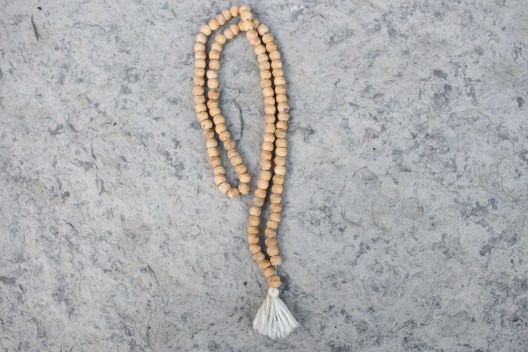
 the first bead (after the guru bead) between your thumb and first finger. Use your thumb to guide your way through each bead on the mala as you recite your mantra.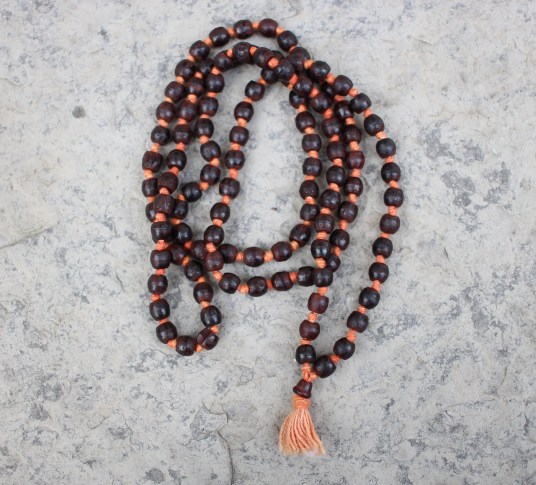
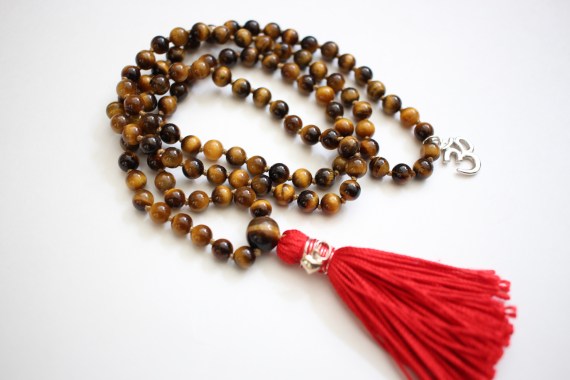


 Marshmallow Heart Creations